


Ethical Bioluminescence Tourism: How to Visit Without Harming the Glow
Bioluminescence tourism has exploded in popularity over the past decade, and with that growth comes a uncomfortable question: are we loving these places to death? The organisms that produce the glow are fragile, and the habits of even well-meaning visitors can have real consequences. The good news is that ethical bioluminescence tourism is not complicated. It mostly comes down to a handful of choices you can make before and during your trip.
What Harms Bioluminescent Ecosystems
The most obvious threat is physical disturbance. Dinoflagellates are microscopic and live in the water column, so swimming, wading, and stirring up sediment can disrupt them. Some bays have banned swimming entirely for this reason. Sunscreen, insect repellent, and soap residue are also harmful; even "reef-safe" products can affect sensitive organisms. If you are going to be in the water, rinse off beforehand and skip the lotion.
Light pollution is another major issue. Fireflies use their flashes to find mates, and artificial light interferes with that process. A camera flash or a bright phone screen can disrupt an entire meadow. In glowworm caves, white light causes the larvae to stop glowing and can even affect their feeding. Most caves prohibit photography for this reason, and the rule is not arbitrary.
Noise is a less obvious but real problem. Glowworms respond to sound by dimming, and loud groups can ruin the experience for everyone. In firefly habitats, excessive movement and trampling can compact soil and damage the leaf litter where larvae live. Staying on marked paths is not just about safety; it protects habitat.
How to Be a Better Visitor
Start by choosing operators who clearly care. A good tour company will limit group size, enforce quiet and no-flash rules, and educate guests before the tour rather than during it. They will also be honest about conditions — if the glow has been weak, they should tell you rather than take your money and hope for the best. Read recent reviews with an eye for how the operator handles these issues, not just whether people saw the glow.
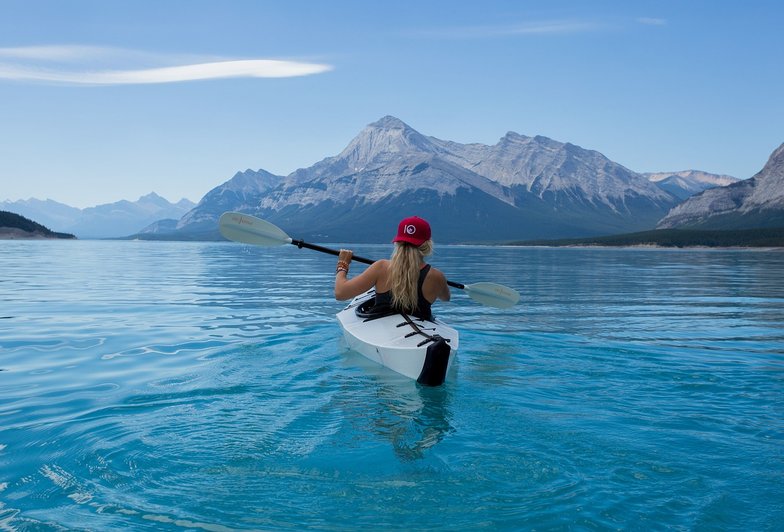
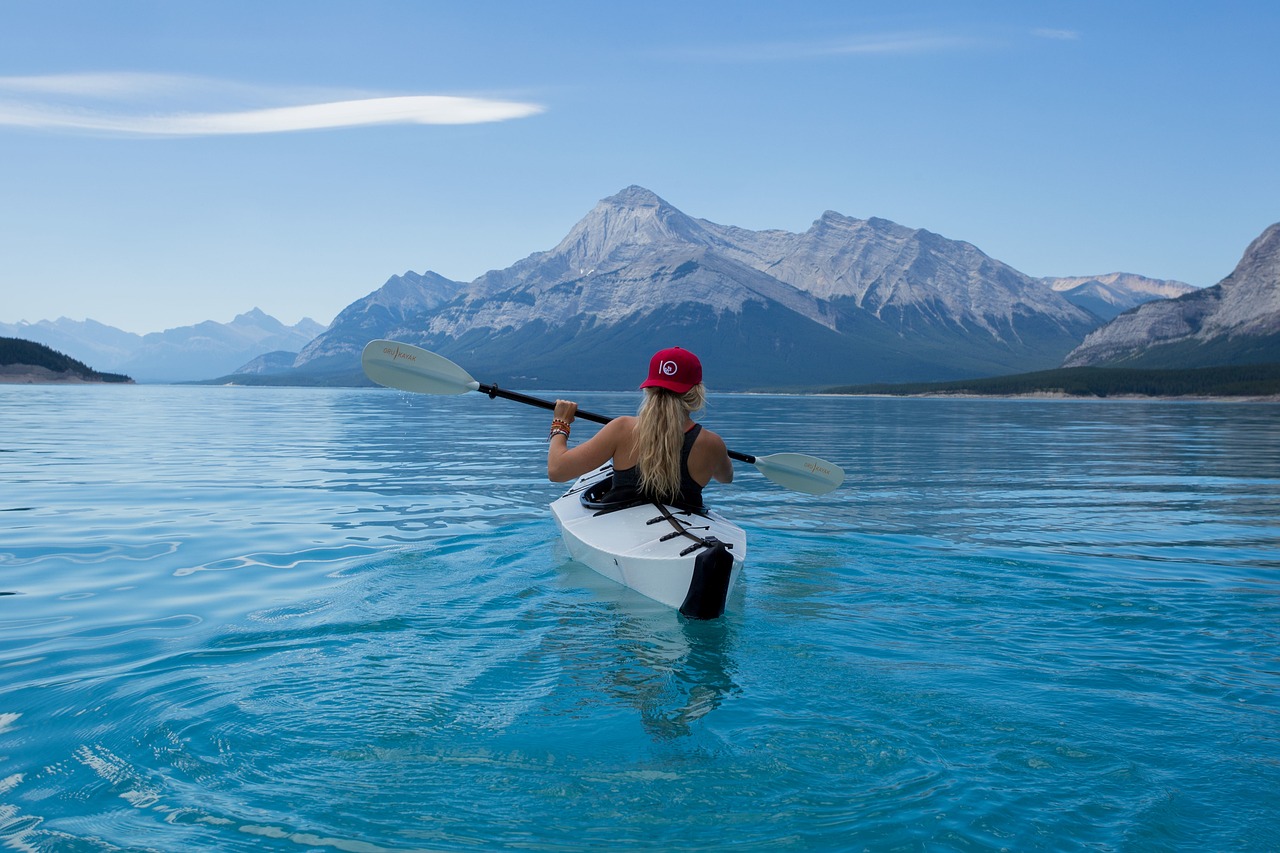
Bring the right gear. A red-light headlamp or flashlight is essential for firefly walks and many cave tours. Wear dark, quiet clothing. Leave the drone at home. If you are kayaking, follow the guide's instructions about where to paddle and where not to. If you are visiting a bay, ask whether swimming is allowed and respect the answer.
Finally, think about timing and numbers. Visiting during peak season means more people, more light, and more stress on the ecosystem. Shoulder season trips are often quieter and just as rewarding. And if a destination has implemented permits or caps, do not try to work around them. Those limits exist because someone did the math on what the habitat can handle. The glow is not a guaranteed attraction; it is a living process that depends on conditions we can either protect or undermine. Choosing to protect it is the difference between a memory and a loss.





The choices you make as a visitor can help protect bioluminescent ecosystems, or quietly damage them.
The difference between a faint shimmer and a brilliant display often comes down to when you go.
Everything you need to know about planning your first firefly trip, from timing the season to picking the right patch of woods.
New Zealand's famous boat ride and China's quieter cave tour offer two distinct ways to see glowworms underground.
Practical, low-stress tips for capturing glowworms, fireflies, and glowing shorelines on camera.