


Chasing the Glow: A Beginner's Guide to Firefly Watching in the American South
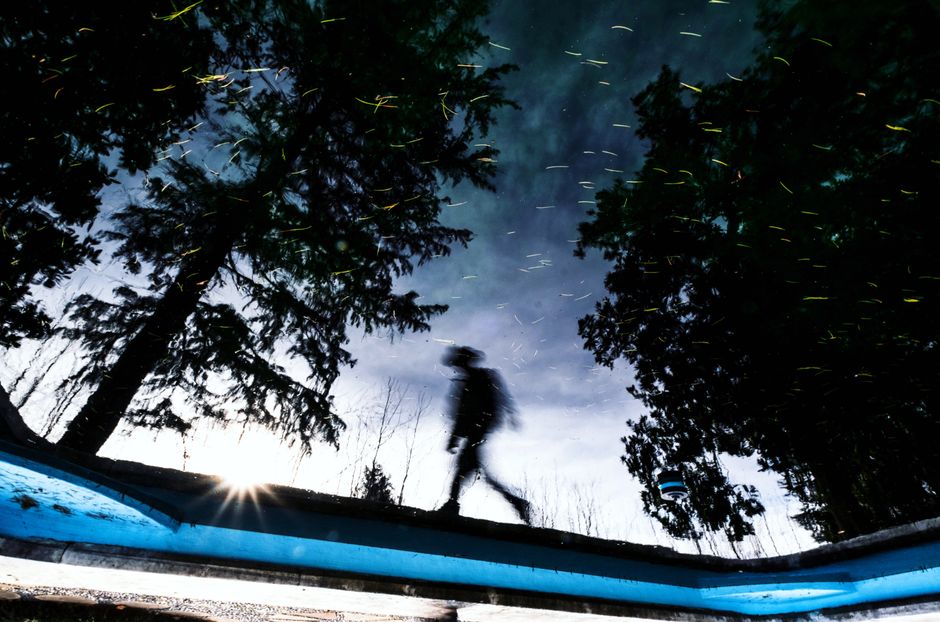
There's a moment on a warm June evening in the American South when the woods seem to breathe. The first firefly blinks low in the grass, then another answers from a branch overhead, and within minutes the treeline is stitched with drifting points of yellow-green light. For anyone who grew up catching fireflies in a jar, seeing a full synchronized display is something else entirely — a reminder that bioluminescence isn't just a tropical curiosity. It happens in our own backyards, if we know when and where to look.
The South is home to dozens of firefly species, and a few of them — notably the synchronous fireflies of the Appalachians — have become genuine travel destinations. But you don't need a permit or a famous trail to enjoy them. With a little planning and a lot of patience, a good local patch of woods can deliver a night you'll remember for years.
Timing Your Trip Around the Firefly Season
Firefly seasons vary by latitude and species, but across most of the South, the peak window runs from late May through early July. Synchronous species tend to show up first in the warmer lowlands and later in the cooler mountains, so if you miss one display you can often catch another by driving a few hours north or into higher elevation. Late June is a safe bet for the Blue Ridge and Smoky Mountains region.
Weather matters as much as the calendar. Fireflies are most active on warm, humid, still evenings, especially after a light afternoon rain. Wind and cool temperatures suppress activity, and a bright moon can wash out the display. If you have flexibility, aim for a night close to the new moon and check the forecast for calm conditions. Arrive before sunset so you can find a good spot and let your eyes adjust — it takes about twenty minutes for night vision to fully kick in.
Where to Go and How to Behave
Some of the most celebrated viewing areas, like Elkmont in Great Smoky Mountains National Park and certain sites in Pennsylvania and Tennessee, use lottery systems for peak weeks. Those are wonderful experiences, but they're far from the only option. State parks, wildlife management areas, and even rural backroads with mature hardwood edges can host impressive displays. Ask local park rangers or naturalist groups — they usually know which species are active and where.
Once you're there, the golden rule is simple: leave no trace and take no fireflies. Don't use flashlights, phone screens, or camera flashes, which disrupt courtship signals and ruin the experience for everyone around you. Red-light headlamps are the standard compromise. Stay on trails, keep voices low, and resist the urge to sweep a net through the display. The lights you're watching are a mating conversation millions of years in the making — the least we can do is listen quietly.
Bring a light jacket, insect repellent for the walk in (apply it away from the viewing area), and a chair or blanket. A red-filtered flashlight and a thermos of something warm round out the kit. Then settle in, turn off the world, and let the woods do the rest.


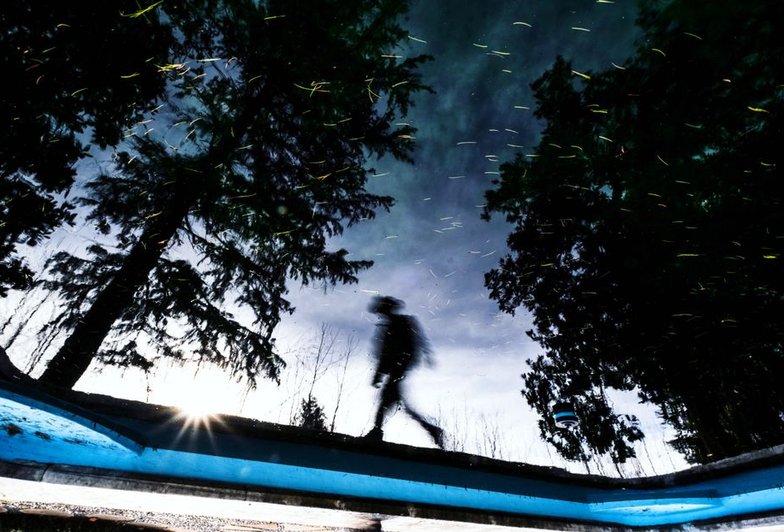
Everything you need to know about planning your first firefly trip, from timing the season to picking the right patch of woods.
New Zealand's famous boat ride and China's quieter cave tour offer two distinct ways to see glowworms underground.
Practical, low-stress tips for capturing glowworms, fireflies, and glowing shorelines on camera.
From Puerto Rico to Indonesia, glowing bays offer some of the most surreal night experiences on the planet.
How to string together several glowworm, firefly, and glowing-water stops into one coherent trip.