

Beyond the Firefly: A Field Guide to Nature's Other Glowing Creatures
When most people hear the word bioluminescence, their minds jump straight to fireflies flickering over a summer meadow or the eerie blue glow of a tropical bay. But the ability to produce light has evolved independently dozens of times across the tree of life, and some of the results are far stranger and more wonderful than the familiar backyard light show. If you are planning a trip built around glowing things, it helps to know what else is out there — because some of these creatures are far easier to find than you might expect.
The Forgotten Glow of the Forest Floor
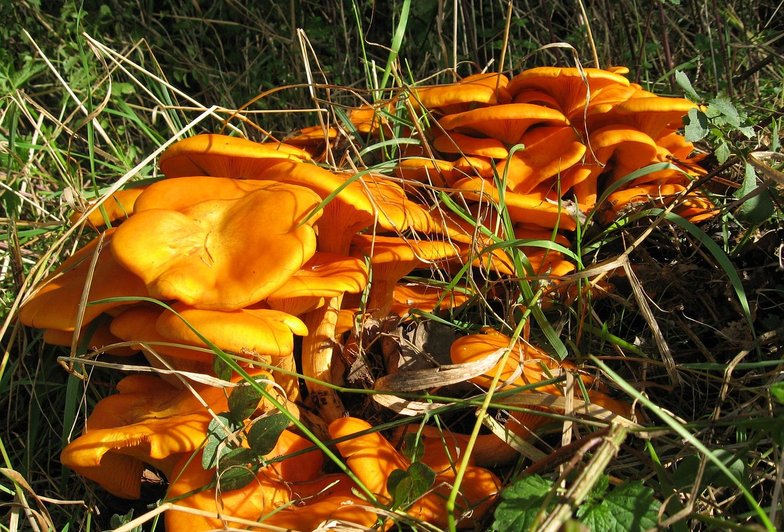
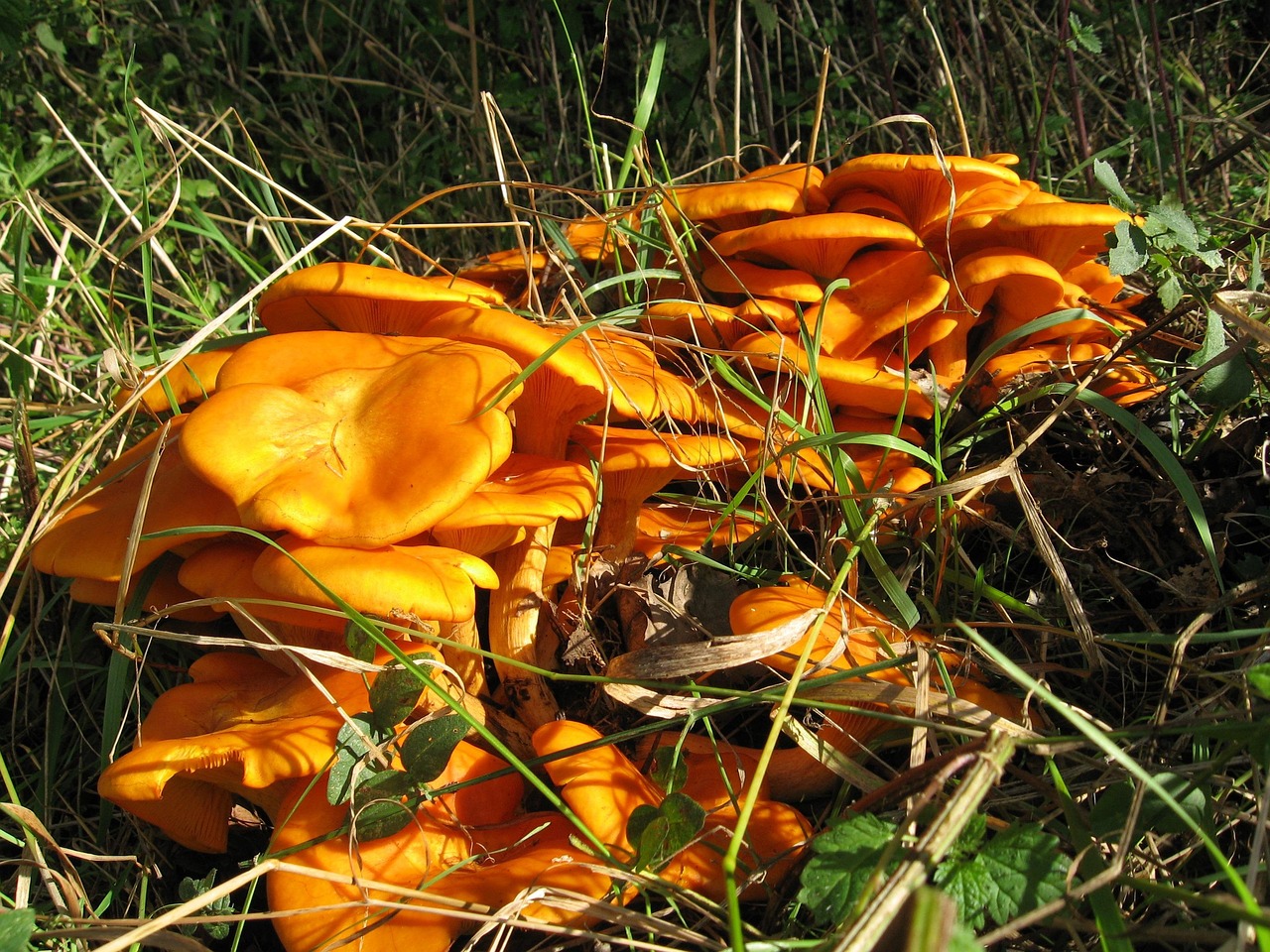
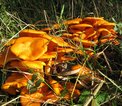
Walk through a damp, old-growth forest on a moonless night in certain parts of the world and you may notice something odd: the leaf litter itself seems to be glowing. That faint greenish light often comes from Armillaria fungi, sometimes called honey mushrooms, whose underground networks of mycelium can produce a soft, continuous glow. The phenomenon is called foxfire, and it has been documented in folklore for centuries. The light is real but subtle, so give your eyes fifteen to twenty minutes to adapt to darkness before you decide the forest is dark. Look for fallen logs, stumps, and damp bark rather than open ground. Late summer and early autumn tend to be the best seasons in temperate regions, especially after rain.
You do not need to travel to a rainforest for this. Parts of the eastern United States, central Europe, and Japan all have forests where foxfire has been recorded. The catch is that it is unpredictable. Fungi glow when conditions suit them, and a dry spell can shut the whole display down. Treat foxfire as a bonus rather than a guarantee, and bring a red-light headlamp so you can navigate without destroying your night vision.
Glowworms, Millipedes, and Other Surprises
New Zealand's famous glowworm caves get most of the attention, but the same basic trick — a larva that glows to lure prey — shows up in Australia, parts of Asia, and even a few caves in the United States. What is less well known is that some millipedes glow too. Certain species in California and other parts of the Americas secrete a luminous substance when disturbed, producing a faint green light along their bodies. They are not dangerous, but they are shy, and you should never handle wildlife just to see it glow.
Marine environments hold the widest variety of all. Dinoflagellates create the crashing-wave glow familiar to anyone who has visited a bioluminescent bay. Comb jellies drift through open water with rainbow-colored light running along their bodies. Some squid and deep-sea fish use light for camouflage or communication. You will not see most of these from shore, but a night snorkel or a glass-bottom boat tour in the right location can reveal a whole hidden world.
If you want to build a trip around lesser-known glowing creatures, the practical advice is simple. Research the specific species you hope to see and its season. Ask local naturalist groups rather than relying on tourism brochures alone. Keep your expectations low and your patience high. And remember that the glow is almost always a defense, a lure, or a mating signal — not a performance for us. Watching quietly, without flashlights and without touching, gives you the best chance of seeing it at all.

From glowing fungi to luminous millipedes, discover the surprising variety of organisms that light up the natural world.
Understanding the conditions that create bioluminescent bays and firefly displays can help you choose a destination that will actually deliver.
A realistic look at visiting glowworm caves with children, from age recommendations to keeping quiet in the dark.
The choices you make as a visitor can help protect bioluminescent ecosystems, or quietly damage them.
The difference between a faint shimmer and a brilliant display often comes down to when you go.